What is ZetaChain?


ZetaChain is pioneering the future of web3 as the first universal blockchain, aiming to seamlessly connect every blockchain network—whether they're EVM-compatible or not. In a world full of fragmented blockchains and isolated liquidity, ZetaChain's mission is to unify crypto by enabling direct, secure interaction across chains. This guide explores what makes ZetaChain unique, how it works, its technical architecture, ecosystem, tokenomics, and security standards. By the end, you'll understand ZetaChain's universal value, the tools it offers to both users and developers, and practical steps to onboard into this innovative ecosystem.
What is ZetaChain? The Universal Blockchain Explained
ZetaChain is described as a “universal blockchain” because it’s built to connect all blockchain networks—EVM-based like Ethereum, non-EVM chains like Bitcoin, and even new or emerging ledgers. Founded in 2021, ZetaChain tackles two of the crypto industry's biggest pain points: cross-chain interoperability and liquidity fragmentation. Its mission is to break silos, letting assets and data move freely and securely across any blockchain.
Instead of relying on complicated multi-chain bridges or wrapping tokens, ZetaChain brings everything together natively. This universal blockchain approach means developers can build omnichain dApps—apps that work across all chains without additional infrastructure. For users, this ensures a frictionless experience: no more juggling wallets or worrying if a token works on the network you need.
Key Features at a Glance
- Omnichain Smart Contracts: Developers write contracts that seamlessly access and manage assets/data on any connected chain.
- Native Asset Transfers: Move BTC, ETH, and other coins directly, without wrapped tokens or centralized bridges.
- Comprehensive Compatibility: Works with EVM, non-EVM, and emerging blockchains.
- EVM-Compatible Environment: Build with familiar smart contract languages.
- Unified User Experience: Cross-chain swaps, staking, and dApps under one roof.
💡 Pro Tip: With ZetaChain, you can build cross-chain dApps with a single contract, reducing time-to-market and boosting security.
How ZetaChain Works: Universal Connectivity & Omnichain Smart Contracts
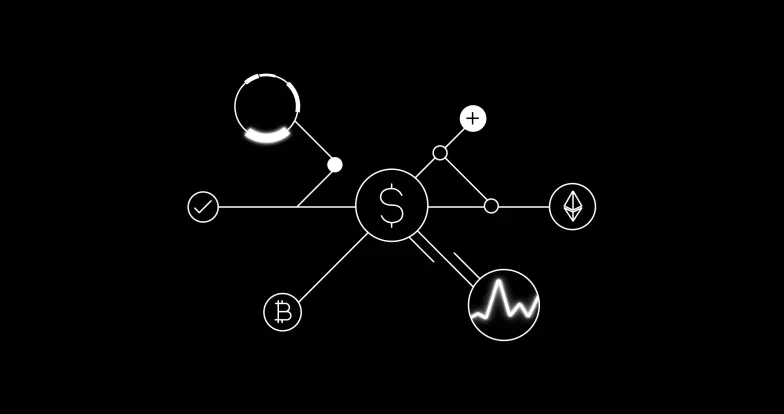
ZetaChain connects different blockchains using a unique omnichain architecture. At its core, the network consists of validators that track and relay messages and assets between ZetaChain and every supported blockchain—including Bitcoin, Ethereum, Cosmos, and countless others. This eliminates the usual trust gaps and vulnerabilities of third-party bridges.
Omnichain smart contracts—running natively on ZetaChain—let developers write logic that interacts with external chains as easily as local calls. This opens the door to powerful cross-chain dApps, such as multi-chain DeFi platforms, NFT marketplaces, and seamless asset swaps. For end-users, this means they can move tokens or use dApps across virtually any chain, all from a single point of access.
Omnichain vs Multichain: What's the Difference?
Multichain solutions require deploying separate contracts on each chain and using often-complex bridges to connect state and liquidity. Omnichain, by contrast, lets developers write one contract on ZetaChain that natively orchestrates assets and logic everywhere. This reduces risk, simplifies development, and offers a unified user experience.
Case Study: Building a Universal dApp
Imagine building a DeFi app that lets users swap BTC and ETH directly, or stake native Bitcoin into an Ethereum-based protocol. With ZetaChain’s omnichain smart contracts, a developer can deploy one contract that handles these cross-chain actions securely, without wrapped assets or custodial solutions. This is already being realized with dApps in the ZetaChain ecosystem today.
ZetaChain Ecosystem: Projects, Partners, and Community
The ZetaChain ecosystem is rapidly expanding, with dozens of pioneering projects and a strong developer community. Notable dApps include cross-chain DEXs (like ZetaSwap), omnichain NFT platforms, and lending protocols that support assets from multiple blockchains.
Major partnerships include integrations with Layer3, Sushi, and leading oracle providers. Ecosystem initiatives, such as grants and hackathons, invite developers to launch and scale next-gen omnichain dApps. Community channels span Discord, Twitter, and regular events—offering opportunities for users and builders to connect, collaborate, and grow.
💡 Pro Tip: Joining ZetaChain's Discord server is the fastest way to get answers, find collaborators, and participate in events or bug bounties.
Tokenomics: The ZETA Token
$ZETA powers the ZetaChain network by securing consensus, paying transaction fees, and facilitating governance. The total token supply is capped at 2.1 billion, with a transparent allocation for community incentives, development, staking rewards, and the ZetaChain foundation. The token’s unlock schedule is designed for long-term ecosystem growth and sustainability.
ZETA holders can stake tokens to support network security and earn rewards, or participate in on-chain governance for key upgrades and proposals. You can acquire ZETA from leading exchanges, including OKX, where users benefit from deep liquidity and enterprise-grade security.
ZETA Price and Market Data Overview
ZETA's live price, market cap, and historical data are available on platforms like CoinGecko and CoinMarketCap. Major exchanges such as OKX support trading and staking, making it easy to onboard and participate in governance.
ZetaChain Architecture and Technology
ZetaChain’s architecture is built on the robust Cosmos SDK and employs a Tendermint-based Proof of Stake mechanism. The validator set manages consensus and securely observes other blockchains, relaying cross-chain messages. This ensures trustless, decentralized connectivity and rapid asset transfers.
Universal connectivity is achieved through external chain observers—validator nodes that monitor and verify events on external blockchains. Developers can build omnichain smart contracts using the EVM-compatible ZetaChain environment, along with SDKs and powerful APIs. Comprehensive documentation and resources are open-source and regularly updated on ZetaChain’s GitHub.
For Developers: Getting Started
- Step 1: Visit the official docs to set up your development environment.
- Step 2: Explore starter kits and sample contracts on GitHub to deploy your first omnichain smart contract.
- Step 3: Test locally with the ZetaChain testnet, then deploy to mainnet.
- Step 4: Join developer channels on Discord for support, code reviews, and hackathons.
Security, Audits, and Risk Management
ZetaChain prioritizes platform security with comprehensive third-party audits (from Quantstamp and others) and a public bug bounty program. Responsible disclosure policies and regular audits mitigate both internal and cross-chain risks. Validators are incentivized to act honestly, while network-wide monitoring detects and addresses anomalies in real-time.
Cross-chain operation introduces new risks, especially around bridges and asset wrapping. ZetaChain mitigates this by eliminating external bridges in favor of native, protocol-level interoperability. Insurance mechanisms and emergency governance further protect user assets.
For more comprehensive protection tips, check our guide on blockchain security best practices.
Comparing ZetaChain to Other Omnichain Protocols
Where does ZetaChain stand compared to other cross-chain solutions? Here’s a quick breakdown:
| Project | Omnichain? | Smart Contract Support | EVM Compatible | Security Approach | Notable Use Cases |
|---|---|---|---|---|---|
| ZetaChain | Yes | Yes (Omnichain) | Yes | Native validators, no bridges | Native asset swaps, DeFi |
| Axelar | Partial | Yes | Yes | Relayer network, external bridges | Interchain messaging, DeFi |
| Cosmos | No (IBC) | Yes (Cosmos SDK) | With layer | IBC protocol, zone validators | Appchains, cross-IBC apps |
| LayerZero | Partial | Yes | Yes | Ultra-light nodes, block headers | Messaging, NFT transfers |
| Polkadot | No (Relay) | Yes (Parachains) | With layer | Relay chain + shared security | Interchain dApps |
ZetaChain’s core advantages are full omnichain support, unified contract deployment, native asset handling, and a zero-bridge security model.
How to Get Started: User & Developer Onboarding Guide
For Users:
- Wallet Setup: Create a ZetaChain-compatible wallet using MetaMask or the ZetaChain app.
- Fund Account: Transfer assets (e.g., ETH or BTC) from external chains via supported exchanges like OKX, or bridge assets using omnichain dApps.
- Access dApps: Connect your wallet, explore cross-chain swaps, staking, or lending protocols.
For Developers:
- Install Developer Tools: Use the ZetaChain CLI and SDK from the official GitHub repository.
- Deploy Smart Contracts: Follow step-by-step tutorials to build, test, and launch omnichain applications.
- Join the Community: Get support, contribute to open-source, and participate in hackathons via Discord and Telegram.
ZetaChain regularly updates onboarding guides and community resources to ensure new participants can join with ease.
💡 Pro Tip: Always enable 2FA and review dApp permissions before connecting your wallet for added safety.
Frequently Asked Questions
Is ZetaChain safe?
Yes, ZetaChain has undergone multiple audits by leading firms like Quantstamp and maintains a public bug bounty program. The network is run by decentralized validators, and the protocol eliminates the typical bridge risks by handling cross-chain communication natively. Partners and regular updates further reinforce trust.
What makes ZetaChain different from Axelar/LayerZero?
ZetaChain’s architecture prioritizes direct native cross-chain interoperability by eliminating external bridges and supporting Bitcoin-level chains natively. Unlike partial omnichain models, ZetaChain enables single-contract deployment, seamless EVM support, and unifies user experience across all chains. Its developer experience is tailored for building truly universal dApps.
How do I build an app on ZetaChain?
Start by exploring docs.zetachain.com and cloning example contracts from GitHub. Set up your dev environment with the ZetaChain SDK, build and test on the testnet, and deploy to mainnet. Community support on Discord is available for troubleshooting and collaboration.
Can I earn rewards or stake on ZetaChain?
Yes—users can stake ZETA tokens, participate in delegation, and earn staking rewards directly via supported wallets or exchanges like OKX. Staked tokens secure the network and may grant governance rights.
Where can I get the latest ZetaChain news and updates?
Follow ZetaChain’s official blog, Twitter, Discord server, and Telegram group for real-time news, project updates, and community events.
Conclusion
ZetaChain is setting a new standard in blockchain interoperability by acting as the universal blockchain for connecting all networks and users. Its omnichain smart contracts, robust security, and thriving ecosystem position it to solve fragmentation and unlock the full potential of web3. By learning about ZetaChain and engaging with its tools and community, you can be part of a more open, unified, and cross-chain future. Ready to experience universal blockchain innovation? Start by exploring the ZetaChain ecosystem, or build your own dApp today on this powerful platform!
Risk Disclaimer: Cryptocurrency trading, staking, and blockchain development involve inherent risks. Never invest more than you can afford to lose and always enable security best practices. For more information, consult our blockchain security best practices.